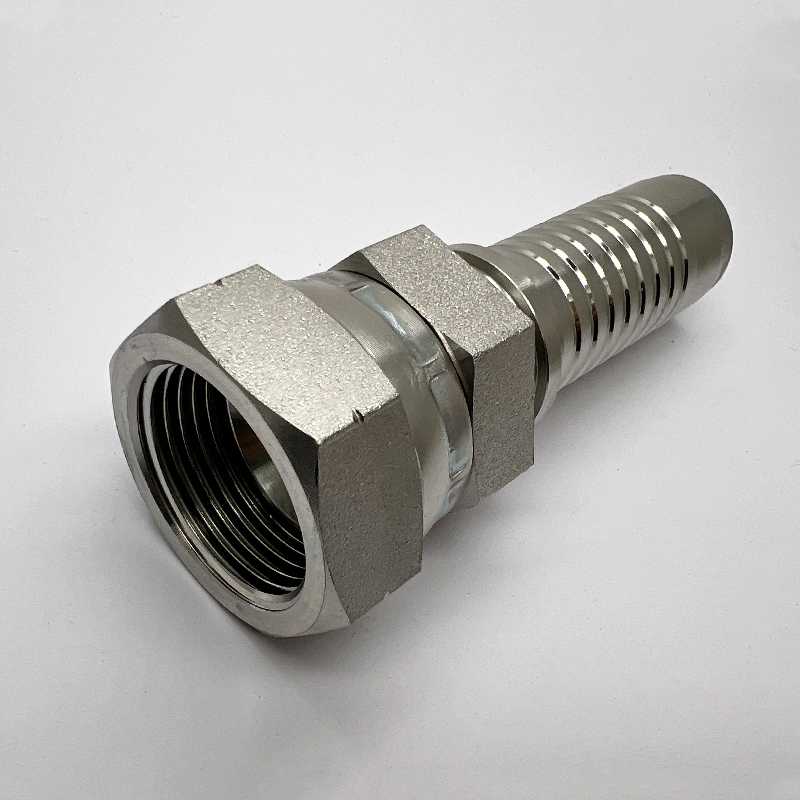
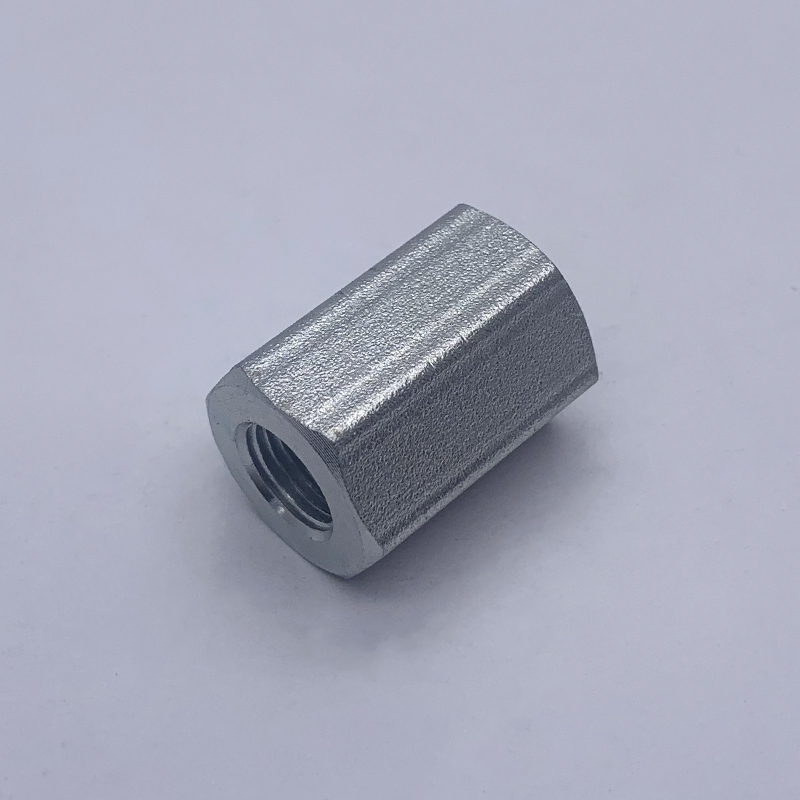
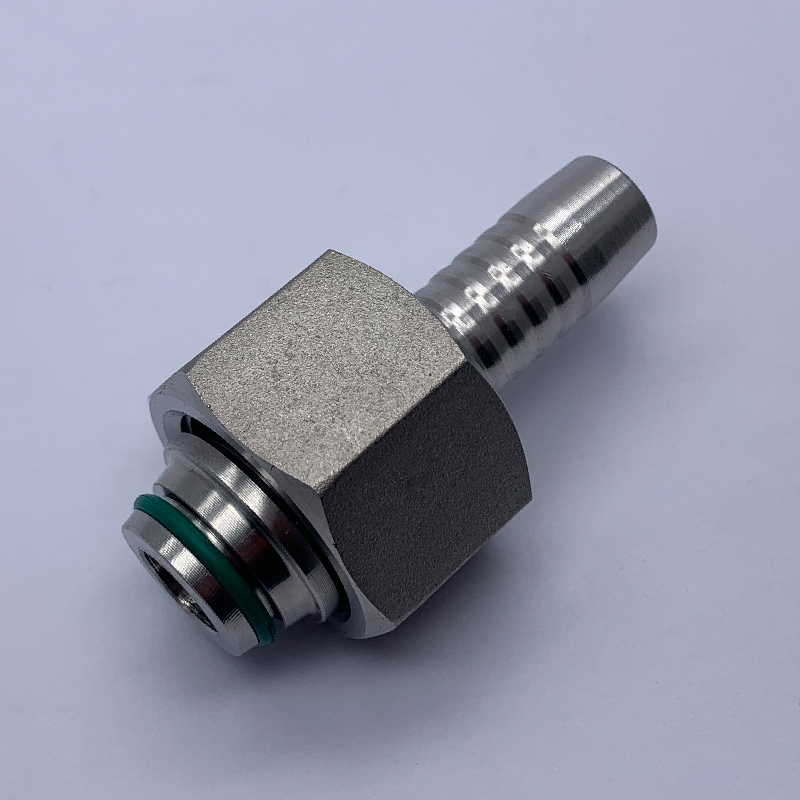
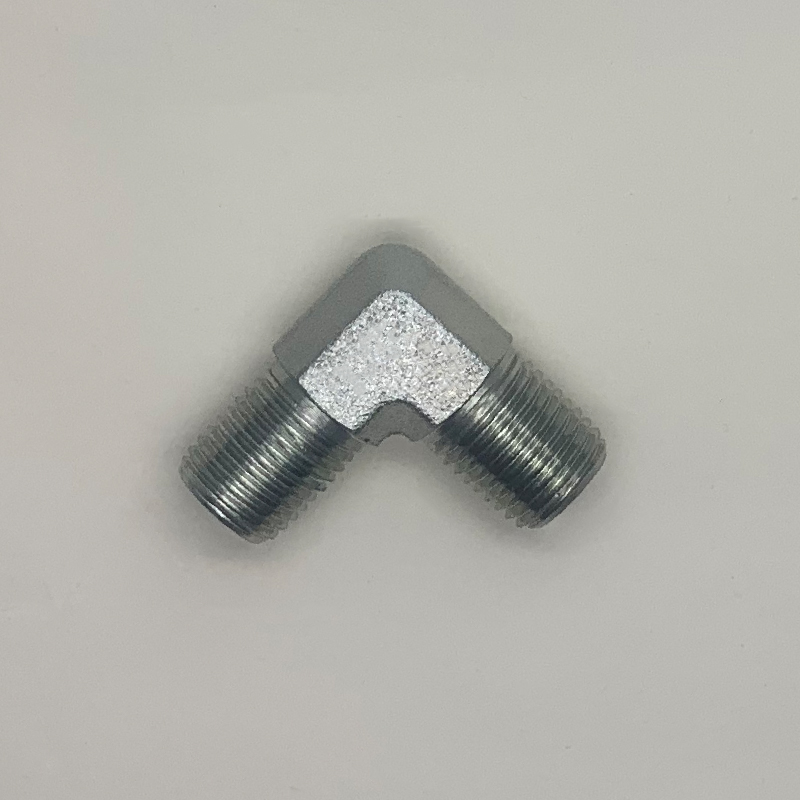
Hydraulic hose fittings connect a hose assembly to equipment ports, adapters, manifolds and tubes. The correct type is defined by more than the thread: the hose construction, fitting stem, ferrule or crimp system, end connection, sealing surface, size and orientation must all be compatible.
This guide compares common hydraulic hose fitting types by connection family, attachment method and shape. For final selection, confirm the fitting series against the hose specification, approved crimp data, product drawing and mating-port standard.
Common Hydraulic Hose Fitting Connection Types
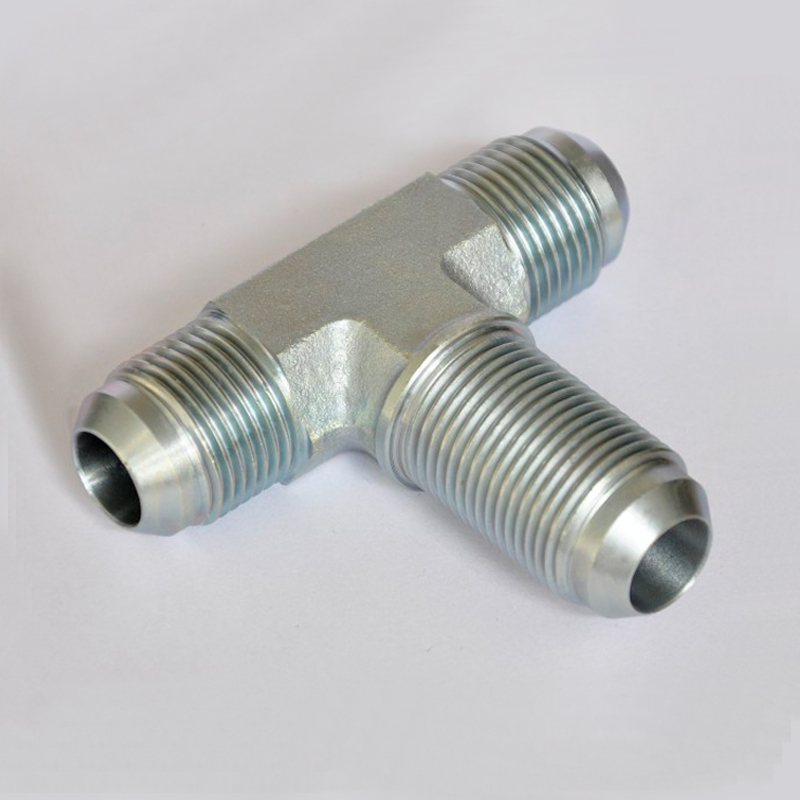
JIC 37-Degree Flare
JIC connections use straight threads and a 37-degree flare seat. The sealing surfaces—not the threads—must match. Check the tube or hose size, thread size, seat condition and male or female configuration.
ORFS O-Ring Face Seal
ORFS fittings use a flat sealing face with an O-ring. Inspect the O-ring groove, face condition, thread and mating component. Protect the face and O-ring from contamination and damage during handling.
BSP Connections
BSP hose ends may use parallel or tapered threads and different sealing arrangements. Identify whether the connection is BSPP or BSPT, then confirm the seat, bonded seal, O-ring or thread-sealing method required by the design.
NPT, NPTF and NPSM Connections
NPT and NPTF are tapered pipe-thread families, while NPSM is a straight pipe thread commonly used with a mechanical seat in swivel connections. Do not select these fittings from diameter alone; confirm pitch, taper and sealing geometry.
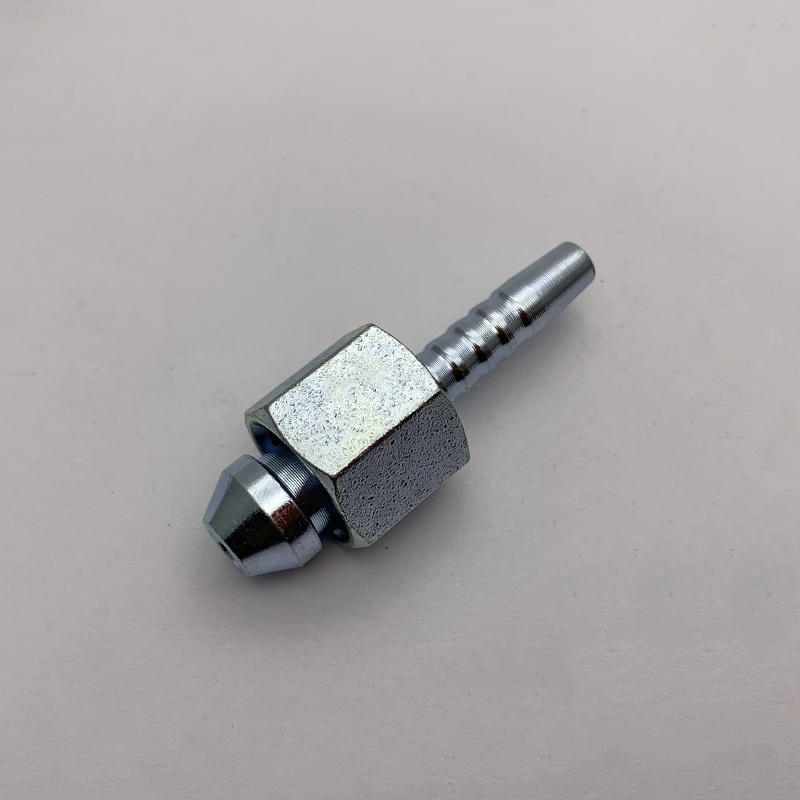
Metric 24-Degree Cone
Metric 24-degree connections may use a metal cone, cutting-ring arrangement or O-ring-assisted seal, depending on the design. Confirm metric pitch, tube size, sealing face and whether the connection belongs to a light or heavy series.
SAE Flange Hose Fittings
Flange hose ends use a flange head, O-ring and clamp arrangement. Selection requires the correct flange code, head size, bolt pattern, hose series and orientation. Similar-looking flange components should not be assumed interchangeable.
JIS and Other Regional Connection Families
Some hydraulic equipment uses JIS or other regional connection designs. A familiar thread diameter does not confirm compatibility; verify the standard, seat angle, thread pitch and drawing.
Types by Hose Attachment Method
Crimp-Style Hose Fittings
Crimp fittings are permanently attached using compatible tooling and specified crimp dimensions. The hose, fitting stem, ferrule and crimp specification must be treated as a validated assembly system.
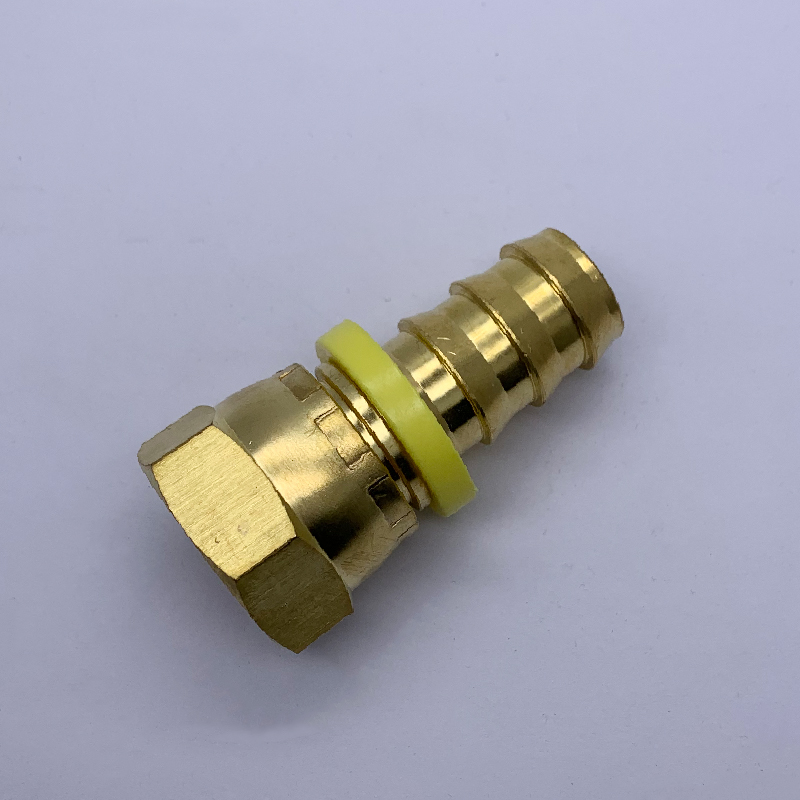
Field-Attachable or Reusable Fittings
Field-attachable fittings are assembled without a production crimper for compatible hose constructions. They are not universal replacements for crimp fittings. Follow the fitting and hose manufacturer's assembly instructions and inspect the completed assembly before service.
Straight, 45-Degree and 90-Degree Shapes
End shape affects routing, bend radius, installation clearance and hose length. Straight fittings suit direct runs, while 45-degree and 90-degree elbows can reduce sharp hose bends when correctly oriented. Determine the angle and orientation before finalizing the assembly length.
Hydraulic Hose Fitting Selection Checklist
Selection itemWhat to confirm
Hose specificationConstruction, inside diameter and compatible fitting series
Attachment methodCrimp-style or approved field-attachable design
Connection familyJIC, ORFS, BSP, pipe thread, metric, flange, JIS or another system
ThreadDiameter, pitch, straight or tapered form
Sealing surfaceFlare, cone, flat face, O-ring, bonded seal or tapered thread
Gender and movementMale, female, rigid or swivel
ShapeStraight, 45-degree, 90-degree or another configuration
Application conditionsWorking pressure, temperature, media, motion and environment
VerificationProduct drawing, crimp data and mating-port specification
Common Selection Mistakes
Choosing a fitting from the thread diameter without checking pitch and sealing face
Mixing a hose, stem and ferrule that have not been confirmed as a compatible assembly
Assuming BSPP and BSPT or NPT and BSPT are interchangeable
Ignoring metric light- and heavy-series differences
Measuring hose length before deciding elbow orientation and insertion depth
Reusing damaged O-rings or sealing faces
Frequently Asked Questions
What are the most common hydraulic hose fitting types?
Common families include JIC, ORFS, BSP, NPT/NPTF/NPSM, metric 24-degree cone, SAE flange and JIS connections. Availability depends on the hose and fitting series.
How can I identify an unknown hose fitting?
Measure the thread diameter and pitch, determine whether it is straight or tapered, and inspect the sealing surface. Also record the hose size, fitting shape and male or female configuration.
Can different brands of hose and fittings be mixed?
Do not assume compatibility. Use a hose, fitting, ferrule and crimp specification that have been approved together by the relevant manufacturer or assembly procedure.
Should thread sealant be used on every fitting?
No. Many hydraulic connections seal at a flare, cone, O-ring or face rather than at the thread. Follow the connection-specific assembly instructions.
Need help identifying a hydraulic hose fitting? Send the hose specification, thread measurements, sealing-face photos, fitting orientation and any part markings. Ruihua can compare the information with available product drawings for confirmation.
Related Hydraulic Fitting Guides